Tourism in Bosnia
Camp

Door plan at

The Royal City of Jajce

Jajce is one of the most beautiful and interesting cities in Bosnia and Herzegovina, combining picturesque nature with ancient history. 

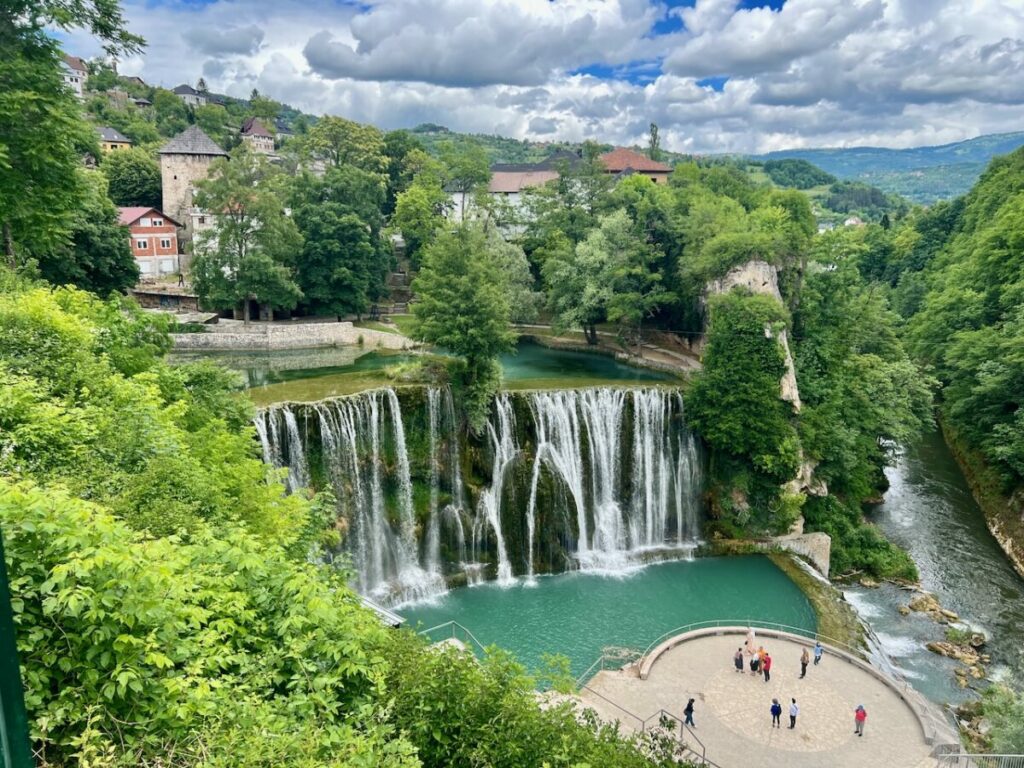
Pliva Waterfall
The Pliva Waterfall has been called the Niagara Falls of Bosnia. The water drops 23 meters (75 feet) at a point where the Pliva and Vrbas rivers meet. It is literally in the center of town, right next to the bus station. There are plenty of free photo opportunities on both sides of the river as you stroll around the center.
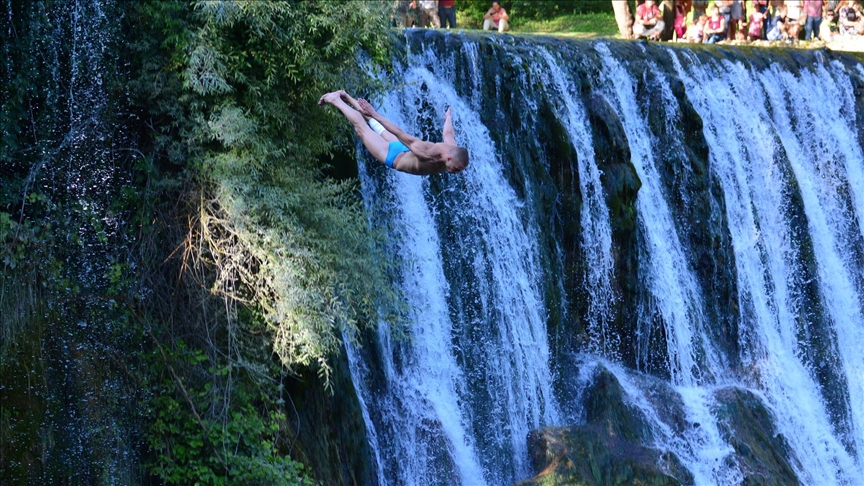
Every year in August, an international diving festival is held at the waterfalls in Jajce.
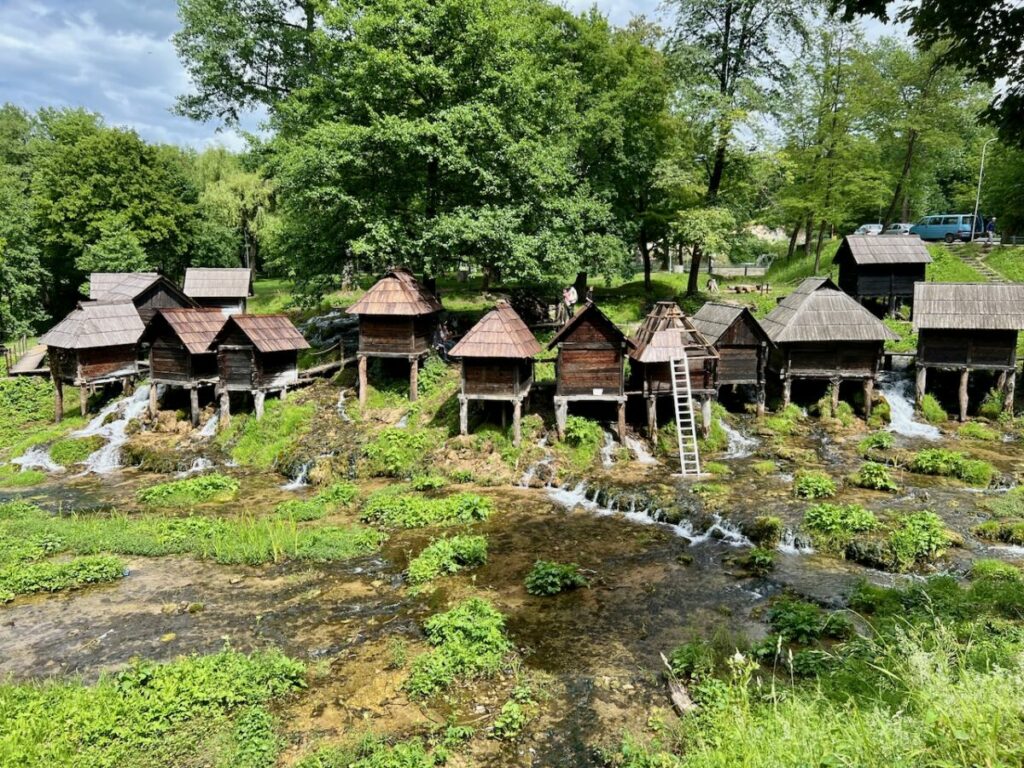
Mlinčići and Pliva Lakes near Jajce, Bosnia

Five kilometers from the town of Jajce is a photo op that will feel like you stepped into a hobbit world. The Mlinčići are small watermills that were once used for grinding grain. You can drive, take a taxi or bike to the lakeside park where the windmills are located near beach and swimming areas.

The general area around Jajce is a popular destination for camping, river rafting and all kinds of family fun. Once you’re done sightseeing, you might want to stay longer to relax in the natural beauty and enjoy water sports.

Jajce Fortress and St. Mary Church

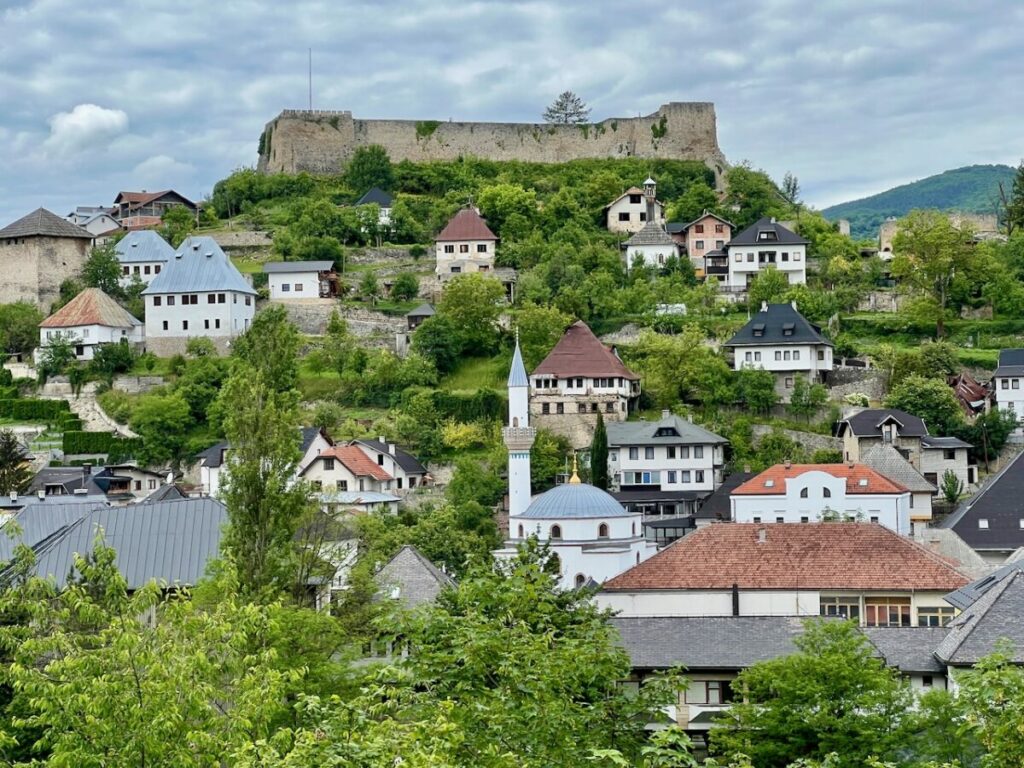
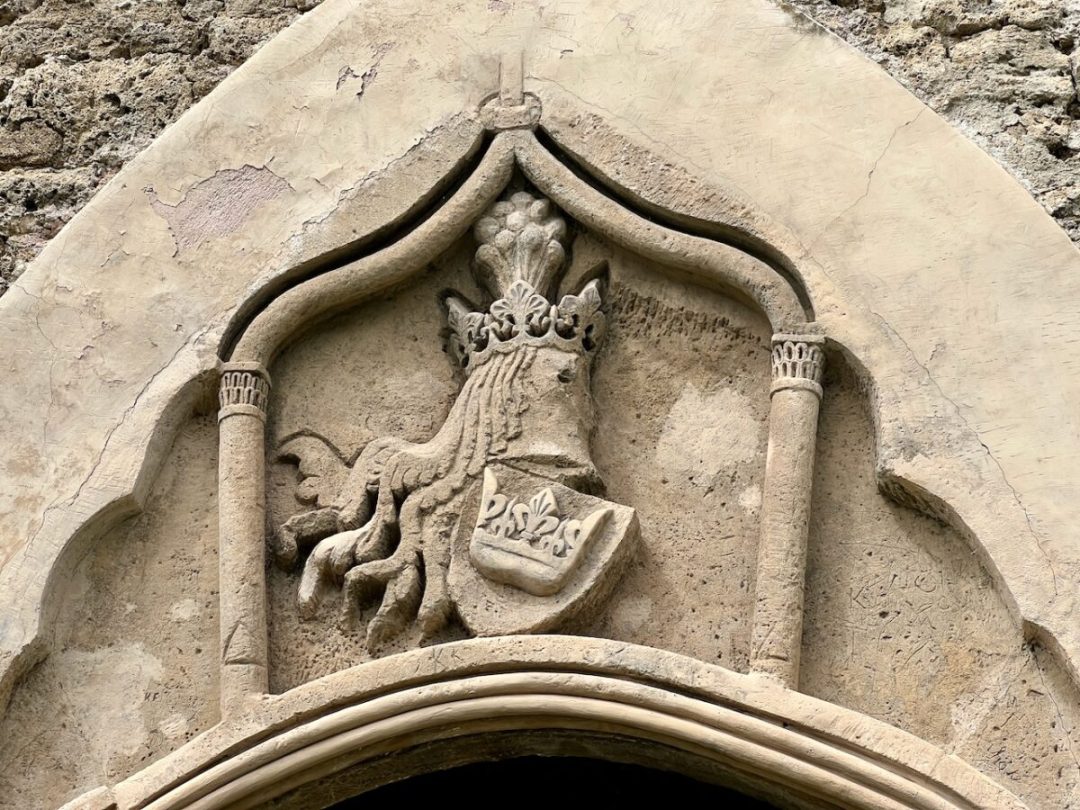
Jajce was the capital of the Kingdom of Bosnia in the 15th Century. Its fortress sits on a hill that was said to be shaped like an egg, hence the name of the town. It means “egg” in the Bosnian language. You can hike up to the remains of the fort, although there’s not much to see inside.

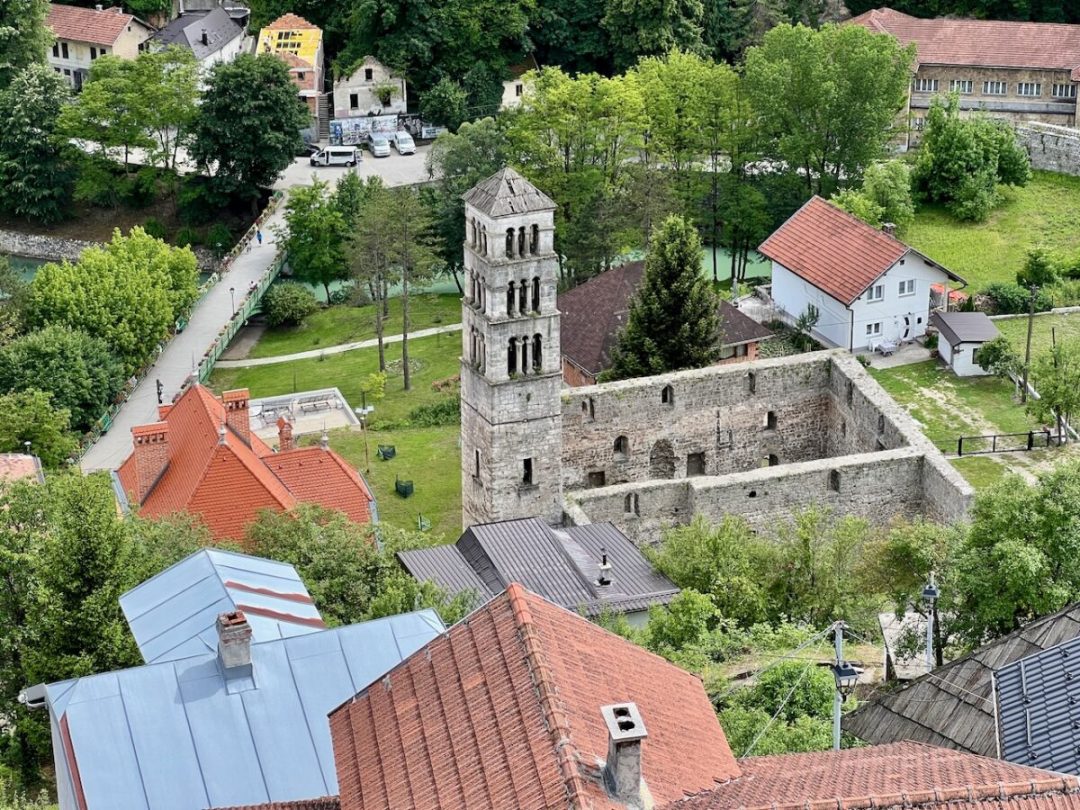
For a small fee you can walk on the fortress walls for panoramic views of the valley below. You can also look down on the ruins of Saint Mary’s Church. The last king of Bosnia was crowned here in 1461. Two years later, Ottoman Turks conquered the area, executed the king and turned the church into a mosque. Today, the church ruins are not open to the public but you can peek inside.

Catacomb in Jajce, Bosnia

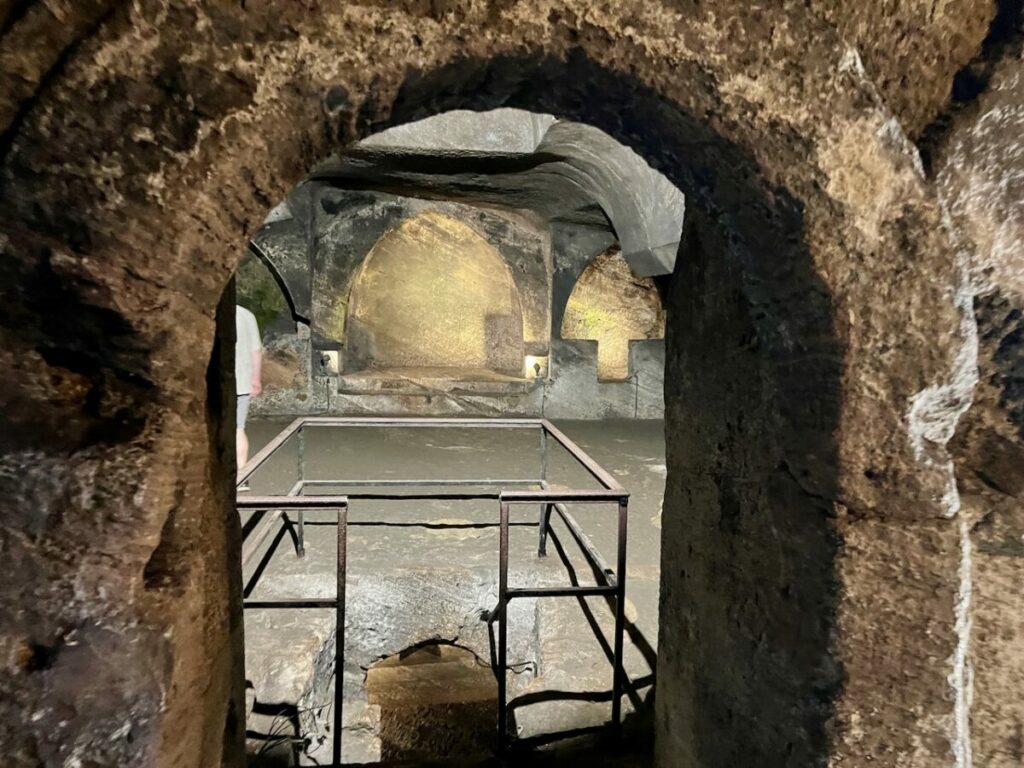
A few steps away from the church walls and a fortification called the Bear Tower, you will see the entrance to the Jajce catacomb. It dates back to about 1400 and was the burial place of the noble Bosnian couple who founded the town. During World War II, the catacomb was a hiding place for partisan resistance fighters, including the future leader of Yugoslavia, Josip Broz Tito.

AVNOJ Museum: Yugoslavia History in Jajce

Jajce holds a place of honor in a country that no longer exists on the map.

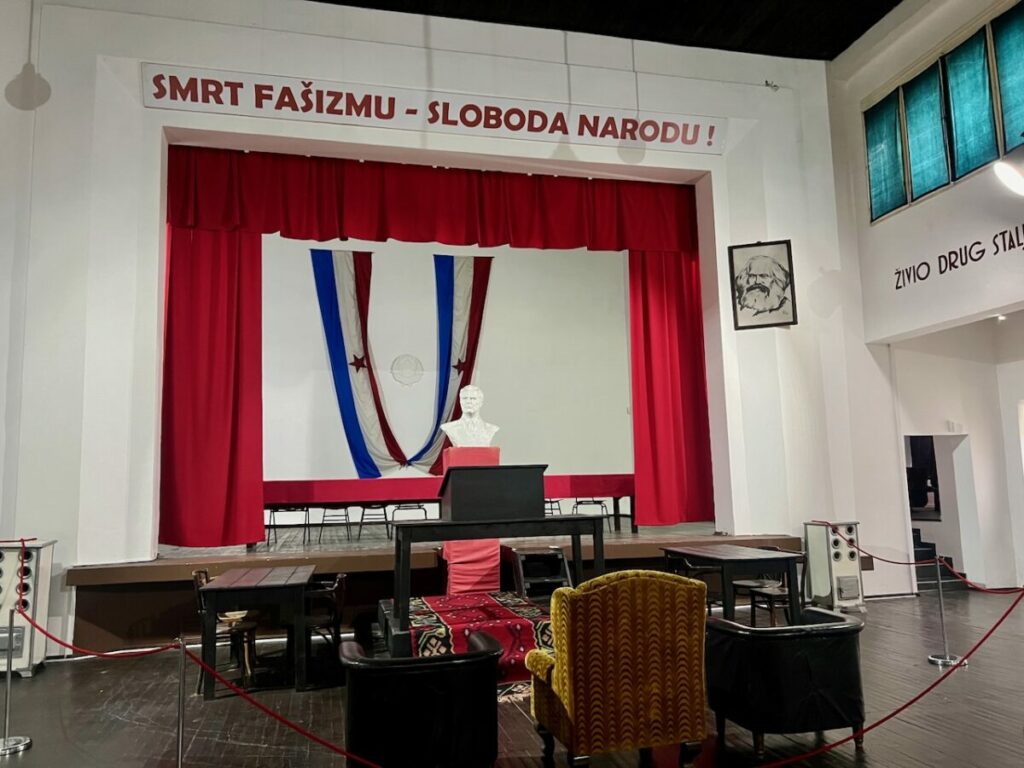
In 1943, during some of the darkest days of World War II, resistance leaders met here to form the Anti-Fascist Council for the People’s Liberation of Yugoslavia, or AVNOJ. They agreed on principles that would allow for the post-war formation of Yugoslavia as a federation of participating states. This enabled the partisan fighters to gain desperately needed support from the Allied Forces.

Over time, the building served as a prison or a school and burned to the ground most recently during the 1990s Balkan War. Outside funding has enabled the preservation of the historical site you see today.